The food industry is evolving to meet the new needs of consumers, who are seeking healthier, more functional foods made with natural ingredients.
Inulin applications in food have become a highly relevant topic for manufacturers looking to develop products with greater nutritional value without compromising taste, texture, or quality.
Inulin is a soluble dietary fiber with prebiotic properties that offers multiple benefits for both health and food formulation processes.
Thanks to its versatility, it is currently used in a wide variety of products, from dairy and baked goods to functional beverages and plant-based foods.
At NatBee Blue, we offer Organic Agave Inulin Powder and Organic Liquid Agave Inulin, functional ingredients derived from agave that help manufacturers develop innovative, healthy foods aligned with current market trends.
What Is Inulin?
Inulin is a natural carbohydrate that belongs to the fructan family. Unlike other carbohydrates, it is not digested in the small intestine but reaches the colon intact, where it serves as food for the beneficial bacteria of the gut microbiota.
Thanks to this characteristic, inulin is considered a natural prebiotic, supporting digestive balance and contributing to intestinal wellness.
In addition to its nutritional benefits, it possesses excellent technological properties that make it a highly valued ingredient in the food industry.
Why Are Inulin Applications in Food Important?
Interest in inulin applications in food has increased considerably because this ingredient helps improve both the nutritional profile and the physical characteristics of numerous food products.
Among its main benefits are:
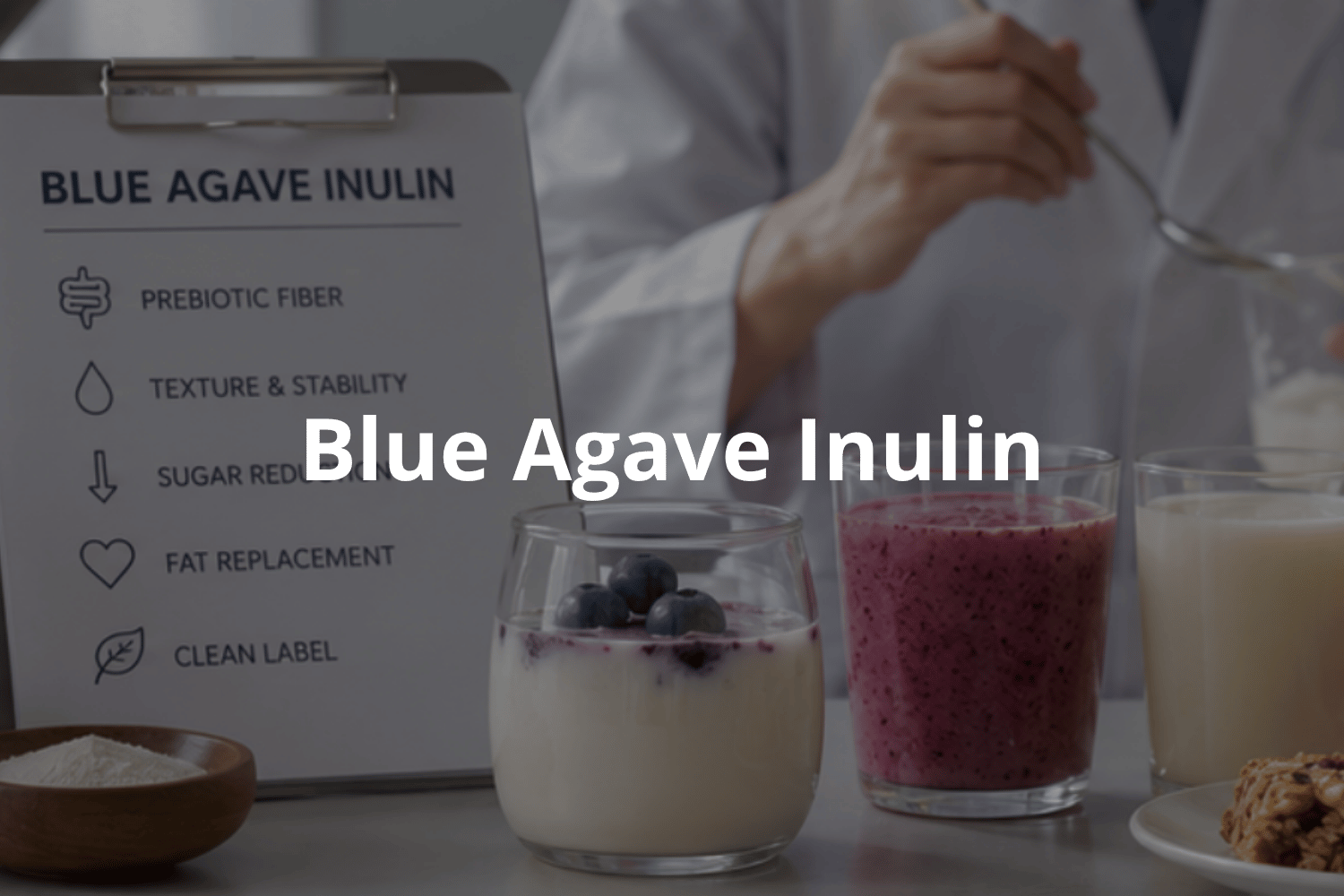
- Increases dietary fiber content.
- Functions as a natural prebiotic.
- Helps reduce sugar content.
- Allows fat reduction.
- Improves texture and creaminess.
- Promotes moisture retention.
- Provides stability in various formulations.
- Contributes to the development of Clean Label products.
- Can be used in organic formulations.
This combination of benefits makes inulin one of the most widely used functional ingredients in the food industry.
Applications of Inulin in Dairy Products
One of the sectors where inulin applications in food have the greatest presence is dairy products.
Inulin can be incorporated into:
- Yogurt
- Drinkable yogurt
- Ice cream
- Spreadable cheese
- Fermented beverages
- Dairy desserts
In these products, it helps create a creamier texture, improves viscosity, and allows for partial fat reduction without affecting the consumer experience.
It also increases fiber content, adding a functional benefit to the final product.
Inulin Applications in Food Within Bakery Products
Bakery products represent another major area where inulin offers important advantages.
It can be used in the production of:
- Artisan bread
- Whole grain bread
- Cookies
- Muffins
- Cakes
- Tortillas
- Cereal bars
Its incorporation improves product moisture, extends freshness, and provides a softer texture.
Additionally, it enables the development of fiber-enriched products, a feature increasingly demanded by health-conscious consumers.
Functional Beverages
Healthy beverages represent one of the fastest-growing markets worldwide.
Among the various inulin applications in food, functional beverage formulations stand out because liquid inulin can be easily integrated into different preparations.
Examples include:
- Fortified juices
- Smoothies
- Plant-based beverages
- Sports drinks
- Liquid supplements
- Protein shakes
Inulin provides prebiotic fiber without significantly altering the product’s flavor.
Confectionery and Sweet Foods
Although many people associate inulin only with dietary supplements, it also has a broad presence in confectionery products.
It can be used in:
- Chocolates
- Gummies
- Soft candies
- Hard candies
- Fillings
Its ability to provide bulk allows manufacturers to partially reduce sugar without affecting the final product’s texture.
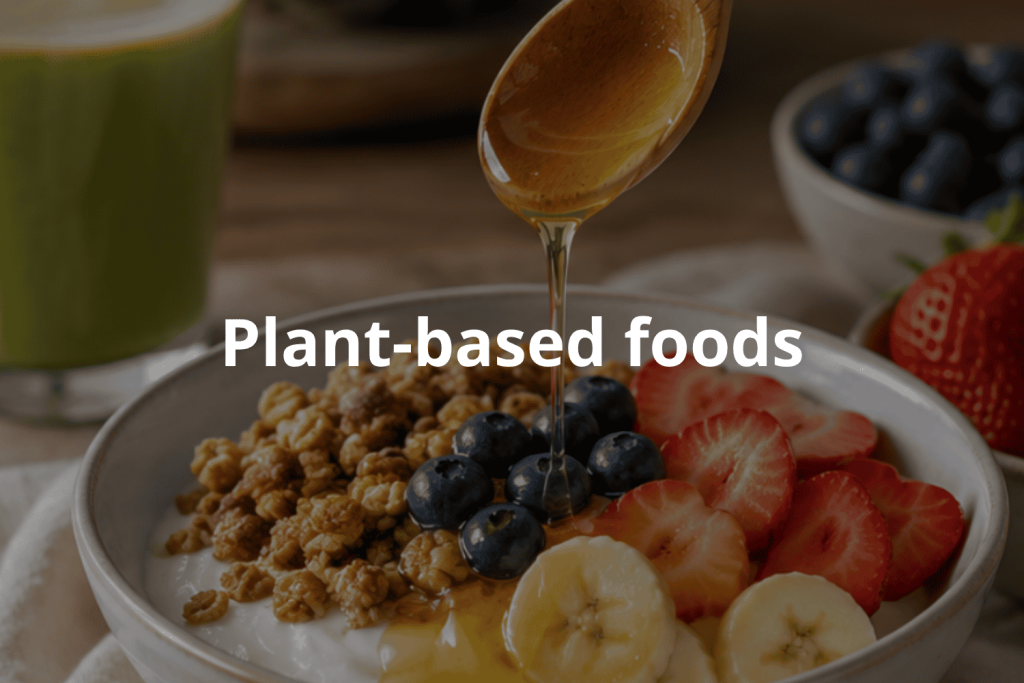
Plant-Based Foods
The growth of the plant-based market has driven new inulin applications in food.
In plant-based products, inulin helps improve sensory characteristics such as creaminess and body.
It is commonly found in:
- Plant-based yogurts
- Plant-based beverages
- Vegan cheeses
- Vegan desserts
- Meat alternatives
Thanks to these properties, manufacturers can develop foods that deliver a better consumer experience.
Fat Replacement
Reducing fat without sacrificing quality is one of the greatest challenges for the food industry.
When hydrated, inulin forms a gel-like structure that creates a creamy sensation comparable to fat.
For this reason, it is used in products such as:
- Dressings
- Mayonnaise
- Creams
- Sauces
- Ice cream
- Spreadable products
This allows manufacturers to create formulations with fewer calories and a more attractive nutritional profile.
Sugar Reduction
Another reason for the growing interest in inulin applications in food is the need to reduce sugar content in processed foods.
Although inulin does not completely replace the sweetness of sugar, it helps maintain important characteristics such as:
- Volume
- Texture
- Moisture
- Consistency
- Stability
This facilitates the development of products with lower levels of added sugars.
Development of Clean Label Foods
Today’s consumers prefer natural, recognizable, and plant-based ingredients.
Inulin obtained from agave perfectly meets these expectations because it comes from a natural source and can be incorporated into organic formulations.
This trend has significantly boosted inulin applications in food, especially among brands seeking to offer healthier and more sustainable products.
Benefits for Digestive Health
One of the main reasons inulin is so highly valued is its prebiotic effect.
By feeding beneficial gut bacteria, it helps maintain a balanced microbiota and supports healthy digestive processes.
This benefit has increased the demand for functional foods enriched with prebiotic fiber.
Technological Improvements in Food Formulation
In addition to its nutritional properties, inulin offers advantages during food development.
These include:
- Improved stability.
- Greater moisture retention.
- Better consistency.
- Increased creaminess.
- Improved mouthfeel.
- Excellent solubility.
These characteristics help optimize various industrial formulations.
Why Choose Agave Inulin?
Although inulin can be obtained from different plant sources, agave-derived inulin offers important advantages.
Organic Agave Inulin stands out for:
- Excellent solubility.
- Neutral flavor.
- High fiber content.
- Natural origin.
- Compatibility with organic products.
- Easy incorporation into different industrial processes.
- Excellent functional performance.
These characteristics make it an excellent option for manufacturers seeking high-quality functional ingredients.
We provide reliable solutions for companies in the food industry that want to develop innovative products with plant-based ingredients and guaranteed traceability.
The Future of Inulin Applications in Food
Global trends point toward foods with higher fiber content, less sugar, less fat, and functional health benefits.
For this reason, inulin applications in food will continue expanding across categories such as beverages, bakery products, dairy products, supplements, sports nutrition, vegan foods, and healthy snacks.
Its combination of technological and nutritional benefits makes inulin one of the ingredients with the greatest potential for the development of future food products.
Inulin applications in food represent an opportunity for the food industry to develop healthier, more functional products aligned with the needs of today’s consumers.
Thanks to its ability to enrich foods with fiber, improve texture, reduce fat and sugar, and support digestive health, inulin has become an essential ingredient across multiple food categories.
At NatBee Blue, we work to provide the highest-quality Organic Liquid Agave Inulin, helping manufacturers around the world create innovative products with natural, functional, and sustainable ingredients.
Discover more articles on our blog: